How do we know Jesus' resurrection was real?
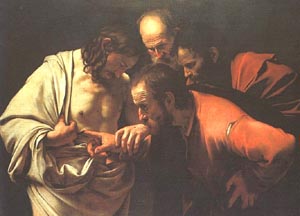
In tomorrow's Gospel reading, we will read of the disciple Thomas doubting Jesus' resurrection after Jesus appears to the others while Thomas was away. I preached on this passage making a case for what we know about the resurrection and why I believe:
Last Sunday was Easter and we joyously celebrated the miracle of Jesus’ resurrection. A week has passed. The joy has subsided enough to look at things in the light of day. I want to dare to ask the question, “How do we know they didn’t just make it up?”
 After all, we were all born centuries after that first Easter. On a morning when we have just read how Jesus’ own friend Thomas doubted whether the resurrection was true, we should feel emboldened to ask a couple of questions of our own. How do we know that the disciples did not just wish Jesus had been resurrected? How do we know they didn’t have something at stake in fooling everyone else into thinking that Jesus came back from the dead?
First, I want to give the standard answer and show the problems some folks have in accepting it. Then we will look a little harder to see if we might have something more to say on the matter to see if it holds up.
Here is the way the standard answer goes. The best proof of the resurrection is the change in Jesus’ own disciples. Before the resurrection, those same apostles were scared, hiding from persecution. After an encounter with their risen Lord, they were brave enough to take to the streets as Peter does in this morning’s reading from the Acts of the Apostles.
Yes, the disciples might have told a lie to keep the Jesus’ myth going, but not once it came at the price of their very lives. The disciples were in a position to know whether the resurrection stories were the truth or a lie. They were the very witnesses to Jesus’ resurrection. They might lie to keep the story going if it meant filling their purses with money, but when persecution came, they would back away from their claims of Jesus’ resurrection. When push came to shove they would not die for a lie?
That’s the standard answer and it works pretty well. The Bible does describe to us the beginnings of persecution against the early Christians. We hear of the first Deacon, Stephen, being stoned to death. But, we have no reason to believe he was a witness to the resurrection. We also read of the death Jesus’ brother James, who was himself converted by an encounter with the resurrected Christ. James was pushed off the top of the Temple for refusing to renounce his faith in Jesus. James would have been in a position to know the truth. Would he have died for a lie?
 As for the other disciples, their fates are not described in the Bible. In fact, there is no good solid historical evidence for what happened to them, just traditions, that sometimes contradict one another. Yet, the traditions all have the apostles dying for their faith with the sole exception of John, who is said to have died of old age in Ephesus. Even if a skeptic were to grant that the traditions about these men having been put to death for their belief in Christ were true, would this prove that Jesus was really and truly raised from the dead? Not exactly.
Let’s be honest. It could have been a delusion—mass hysteria fed by a desire for the resurrection to be real. Maybe they felt that Jesus was somehow still present to them and they wished it into a historic fact. Or maybe they talked of Jesus’ teaching still being with them and later believers worked with the story until they told it that Jesus’ was resurrected. A symbolic event could have been confused as being an historic event by people living a few generations later.
The full sermon is online here: The Resurrection: An Apology and it continues by taking an honest look at the evidence for the resurrection.
peace,
Frank+
The Rev. Frank Logue, Pastor
Last Sunday was Easter and we joyously celebrated the miracle of Jesus’ resurrection. A week has passed. The joy has subsided enough to look at things in the light of day. I want to dare to ask the question, “How do we know they didn’t just make it up?”
After all, we were all born centuries after that first Easter. On a morning when we have just read how Jesus’ own friend Thomas doubted whether the resurrection was true, we should feel emboldened to ask a couple of questions of our own. How do we know that the disciples did not just wish Jesus had been resurrected? How do we know they didn’t have something at stake in fooling everyone else into thinking that Jesus came back from the dead? First, I want to give the standard answer and show the problems some folks have in accepting it. Then we will look a little harder to see if we might have something more to say on the matter to see if it holds up.
Here is the way the standard answer goes. The best proof of the resurrection is the change in Jesus’ own disciples. Before the resurrection, those same apostles were scared, hiding from persecution. After an encounter with their risen Lord, they were brave enough to take to the streets as Peter does in this morning’s reading from the Acts of the Apostles.
Yes, the disciples might have told a lie to keep the Jesus’ myth going, but not once it came at the price of their very lives. The disciples were in a position to know whether the resurrection stories were the truth or a lie. They were the very witnesses to Jesus’ resurrection. They might lie to keep the story going if it meant filling their purses with money, but when persecution came, they would back away from their claims of Jesus’ resurrection. When push came to shove they would not die for a lie?
That’s the standard answer and it works pretty well. The Bible does describe to us the beginnings of persecution against the early Christians. We hear of the first Deacon, Stephen, being stoned to death. But, we have no reason to believe he was a witness to the resurrection. We also read of the death Jesus’ brother James, who was himself converted by an encounter with the resurrected Christ. James was pushed off the top of the Temple for refusing to renounce his faith in Jesus. James would have been in a position to know the truth. Would he have died for a lie?
 As for the other disciples, their fates are not described in the Bible. In fact, there is no good solid historical evidence for what happened to them, just traditions, that sometimes contradict one another. Yet, the traditions all have the apostles dying for their faith with the sole exception of John, who is said to have died of old age in Ephesus. Even if a skeptic were to grant that the traditions about these men having been put to death for their belief in Christ were true, would this prove that Jesus was really and truly raised from the dead? Not exactly.
 Let’s be honest. It could have been a delusion—mass hysteria fed by a desire for the resurrection to be real. Maybe they felt that Jesus was somehow still present to them and they wished it into a historic fact. Or maybe they talked of Jesus’ teaching still being with them and later believers worked with the story until they told it that Jesus’ was resurrected. A symbolic event could have been confused as being an historic event by people living a few generations later.
The full sermon is online here: The Resurrection: An Apology and it continues by taking an honest look at the evidence for the resurrection.
peace,
Frank+
The Rev. Frank Logue, Pastor
Labels: Gospel reading, Resurrection, sermon
posted by King of Peace @ Saturday, April 10, 2010
0 comments


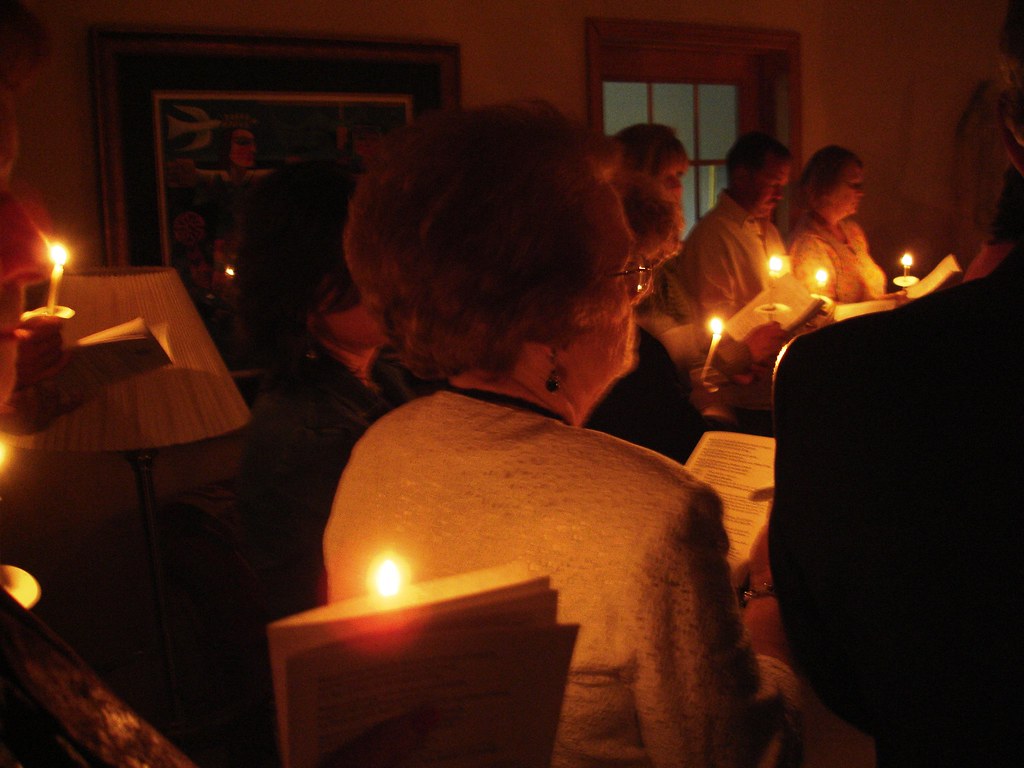

 That began at Easter, continues in the life of faith, prayer and sacrament and the mission, in the widest and narrowest senses of the word, of the church, and will be complete when justice and mercy flood the whole creation.
 Rather, what mattered for his early followers was that they continued to know him as a living figure of the present after his death – not just during the forty days of appearances that the author of Acts mentions (Acts 1.3), but in the years and decades (and centuries) ever since. And to affirm, as Christians do, that the living presence of Jesus is Lord is to commit oneself to the story of Jesus as the central revelation of God’s dream for the world. It means to stand against the powers that killed him and to stand for the vision of God’s kingdom that he proclaimed.








0 Comments:
Post a Comment
<< Home